From Bryan Johnson to Australia’s own Belle Gibson, wellness scammers are becoming more insidious, writes Varsha Yajman.
Culture Bite is a free weekly column that features Cheek-coded analysis and opinions at the intersection of pop culture and politics. To support more content like this, please consider becoming a paid subscriber!
Starting at just $1, you can get a Portal to a Better Life with 148 data points, known as biomarker measurements, used to track and optimise health, performance, and longevity.
Just pop onto the website of the company Project Blueprint, where Bryan Johnson, the company’s founder claims, “I may be the healthiest human alive”.
With over 2.7 million followers on Instagram and selling his protocol, supplements, and routine on Project Blueprint, “biohacker” Johnson promotes the philosophy of “don’t die”.
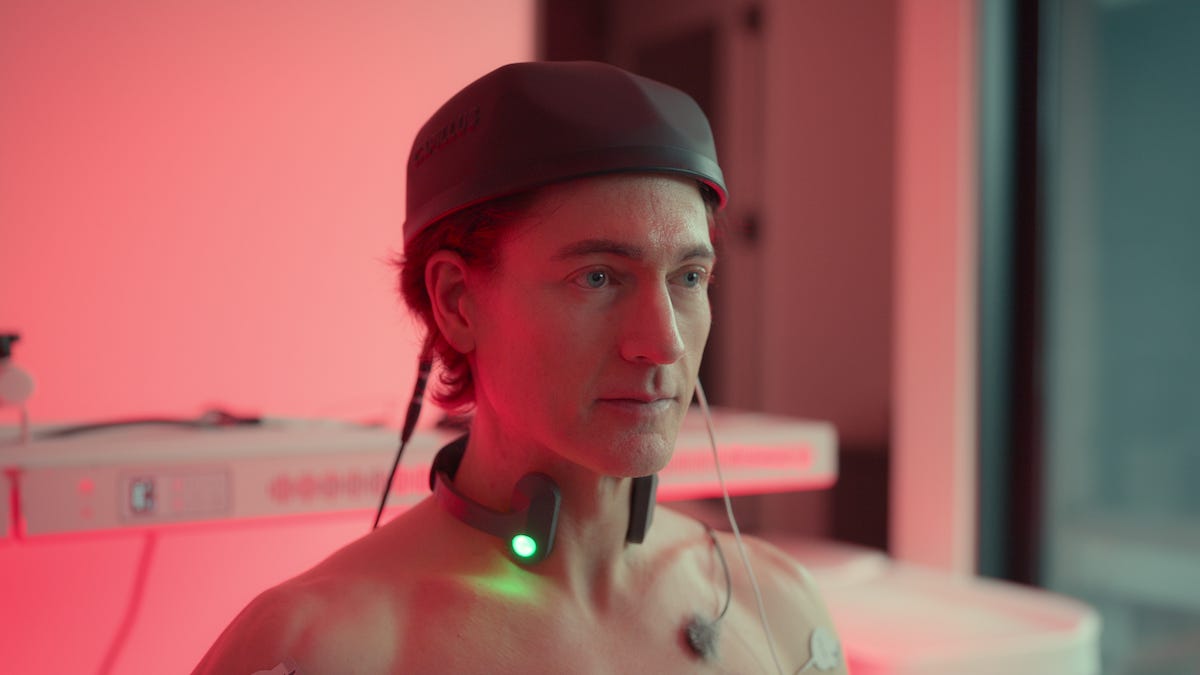
Brad McKay, a doctor, science communicator and author, said that ‘biohacking’ is a trend that “leans heavily on health-monitoring technology”, which includes measuring everything from your steps to your heart rate to your glucose 24 hours a day.
Dr McKay noted that biohacking is often accompanied by recommendations of supplements and vitamins “that aren’t actually proven to deliver the benefits claimed.”
On Johnson’s website you can buy a Blood Orange “Longevity Mix” for $79.37, Extra Virgin Olive Oil, or what he calls “Snake Oil” for $63.18 - which is also claimed to be “made for longevity”.
Dr McKay said the rise of those like Johnson who promote the concept of “longevity” is merely a substitute for the trend around “anti-ageing”.
Users see through the “hollow promise behind anti-ageing products [while longevity] can come across as a more honest claim, even when the wellness products don’t actually deliver”, added Dr McKay.
Johnson’s spin on his diagnosis
Two months ago, Johnson announced he was diagnosed with a rare medical condition, known as Autoimmune Gastritis (AIG). Johnson blamed his diagnosis on his lifestyle as a child when he consumed “sugary cereal, drank sugary soda and gobbled down fast food”, and the “stress and grind” of building a business and being a young father of three children ultimately led to this diagnosis.
Johnson has since made reels explaining how he will use the biohacking methodology to cure his autoimmune disorder. While it is certainly interesting to see what comes of Johnson’s experiment, the misinformation in his content is concerning.
According to gastroenterologist and hepatologist Dr Ian Lockart, “there is no definitive evidence that the trigger for this autoimmune process was fatty foods or sugary cereals.”
Dr Lockart says that AIG, a chronic condition which leads to difficulty in digestion and a decrease in the protein needed to absorb vitamin B12 in the small intestine, “the exact reason why people develop these autoimmune conditions is unknown.”
Johnson is not the first or last wellness influencer
From Bernarr Macfadden, the 20th century’s first celebrity health influencer who made millions promoting fasting as a cure-all, and opposing medical science (he allegedly strut around barefoot so his soles could absorb the Earth’s energy, and slept on the floor so his blood flow would align with its natural magnetic rhythm) to Australia’s own Belle Gibson, who faked a terminal brain cancer diagnosis and claimed natural remedies healed her, wellness influencers are nothing new. In 2026, the industry is seemingly becoming more profitable.
As of late November 2025, the Global Wellness economy hit a record $6.8 trillion and is forecast to reach $9.8 trillion by 2029.
And, from a marketing perspective, the wellness industry serves as a win for influencers and companies alike.
Through brand deals, influencers benefit from the rise in follower growth, engagement and subsequently revenue.
“Social media can act as a marketplace”, Levin noted, where the more we consume and interact with influencer wellness content, the more the content is promoted by the algorithm.
Meanwhile, companies are not beholden to multi-million-dollar endorsements from celebrities; instead, as Dr McKay noted, they can “increasingly spread smaller amounts of money across multiple micro-influencers” who have fan loyalty and engagement despite only a moderate number of followers.
And the cost? It’s you and me.
With two-thirds of Aussie teens and more than 40% of US adults getting their health advice on social media, it is clear that the wellness industry has a significant impact on its audience.
“Some research has found that people are more likely to trust influencers than celebrity figures, as they see themselves as more similar to influencers,” added Talia Levin, a PhD student at the University of Sydney, given that many influencers “provide intimate self-disclosures that are both compelling and relatable to audiences.”
These influencers create a “perceived personal relationship with the influencer, as there is a two-way interaction channel between them…they are overtly addressing follower feedback, replying to their comments, or directly messaging them, in combination with factors like influencer attractiveness, relatability, and likeability, as well as perceived expertise and authenticity, can inform follower trust and product investment”, said Levin.
Dr McKay also echoed this sentiment, and noted that the complexities of the human body mean not everyone responds the same way to recommendations from these influencers, and that when untested, some medicines “can be genuinely dangerous.”
Dr McKay also noted the gendered impacts of wellness influencers, where men are often targeted with content that has “an undercurrent of misogyny” concentrated in the “manosphere” with hormone supplements and peptides that, in many cases, have not been medically approved.
Meanwhile, women are targeted with remedies for perimenopause and other hormonal health issues. These issues have been largely sidestepped for decades, and while it is good they are getting attention, Dr McKay said that “the ‘natural’ alternatives may sound more appealing but come with variable effects and unknown risks”.
And even if we are not purchasing products recommended by these influencers, the content we see has an impact on us. Levin said the research shows that viewing images of bodies which fit a specific beauty standard rather than unedited and diverse images can result in poorer body image mood related outcomes.
Given this, consumers of wellness influencer content may be prompted to “make negative self-comparisons and adjust their behaviours to try to meet these standards.”
Regulating the wellness industry
On a systemic level, McKay noted that Australia’s government authority responsible for evaluating, assessing, and monitoring products, and regulating medicines, medical devices, and biological products, the Therapeutic Goods Administration (TGA), can sometimes fail to keep up with the pace of “new wellness influencers, bogus products, and untested treatments.”
“It’s made even more difficult because some products sold online aren’t coming from real businesses, and the origin of some websites can’t be traced back to an actual owner. Without a real person or entity to hold accountable, it becomes very difficult for a regulator like the TGA to take action against whoever is distributing dangerous or illegal products online”, said McKay.
On a legislative note, Levin said that there is research underway to regulate social media.
How can the everyday person be vigilant of these influencers?
In the meantime, Levin advised users to diversify their algorithm and ensure they unfollow content they find harmful “for both body image and mental health improvement.”
Levin and McKay also noted the importance of considering why an influencer has made a post, and what qualifications and biases the influencer has. Dr McKay echoed this sentiment, saying to treat being offered a discount code as a red flag and reminder to slow down, and be careful.
Dr McKay also suggested using a website such as Scamwatch to help distinguish whether something is real or fake, especially with the rise of AI videos which are becoming increasingly realistic, and to “never buy anything online without researching” the product first and looking at other websites, evidence and complaints.
Finally, McKay and Levin both note the important role of health professionals.
“Even if the information on social media seems legitimate or applicable to oneself”, Levin recommended seeking professional advice.
About the author
Varsha Yajman is the Digital Content Producer at Cheek Media. She is a youth advocate and lawyer with a background in climate litigation and is passionate about looking at the intersection between race, climate justice, and mental health.